
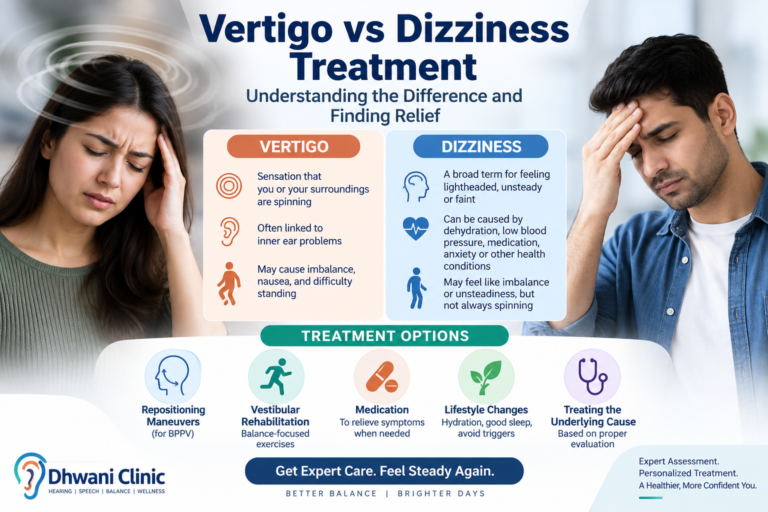
Vertigo vs Dizziness Treatment: Understanding the Difference and Finding Relief
Feeling dizzy can be unsettling. One moment you are walking normally; the next, the room seems to spin, your balance feels uncertain, or your head feels strangely light. Although people often use “vertigo” and “dizziness” interchangeably, they are not always the same. This guide explains how vertigo differs from other types of dizziness, what treatments may help, when medical evaluation is important, and how a qualified clinician can guide recovery.
Vertigo vs Dizziness: What Is the Difference?
Vertigo is more specific. It usually creates the sensation that you or your surroundings are spinning, tilting, moving, or rotating even when you are still. Inner-ear conditions are a common cause, although neurological and other medical problems can also produce vertigo.
Dizziness is a broad term for an abnormal sensation involving balance, lightheadedness, unsteadiness, or feeling faint. It can happen because of dehydration, low blood pressure, medication effects, anxiety, blood sugar changes, or problems affecting the balance system.
Because symptoms can overlap, treatment should not be based only on the word “dizzy.” A careful vertigo vs dizziness treatment plan always begins with the symptom pattern and medical history.
What Does Vertigo vs Dizziness Treatment Involve?
The best vertigo vs dizziness treatment starts with identifying the cause. A healthcare professional may ask when symptoms began, what triggers them, how long episodes last, and whether hearing changes, headache, nausea, weakness, or vision problems occur.
Vertigo vs dizziness treatment may include:
Repositioning maneuvers: For conditions such as BPPV, specific head and body movements can help return displaced inner-ear crystals to their proper location.
Vestibular rehabilitation: Balance-focused exercises can help the brain and body adapt to certain inner-ear or balance disorders.
Medication: Depending on the diagnosis, clinicians may prescribe medicines to control nausea or other symptoms.
Lifestyle measures: Adequate hydration, regular meals, gradual position changes, sufficient sleep, and avoiding known triggers may support recovery.
Treatment of the underlying condition: If dizziness is related to blood pressure, migraine, infection, medication, or another health problem, addressing that cause is essential.
A proper assessment matters because a treatment that helps one condition may do little for another. This is central to effective vertigo vs dizziness treatment.
A Real-World Example: Why Diagnosis Matters
Consider someone who repeatedly feels the room spin when getting out of bed. They may assume they simply have “dizziness” and try to rest more. During evaluation, however, the pattern may point toward BPPV. Once the appropriate repositioning maneuver is performed and exercises are recommended when needed, symptoms may improve significantly.
This is why experienced clinical assessment is more useful than treating dizziness as one single condition. At Dhwani Clinic, the focus should be on understanding the symptoms, identifying possible contributing factors, and choosing care appropriate to the individual.
When Should You Seek Medical Help?
Occasional mild dizziness can have a simple explanation, but new, severe, persistent, or recurring symptoms deserve attention. Seek urgent medical care if dizziness or vertigo occurs with signs such as:
Sudden weakness or numbness, particularly on one side
Difficulty speaking or understanding speech
New severe headache
Fainting or significant loss of consciousness
Chest pain or severe shortness of breath
New double vision or major vision changes
Inability to walk safely
Sudden hearing loss
These symptoms can sometimes indicate a serious medical problem and should not be ignored. Do not delay vertigo vs dizziness treatment when warning signs appear.
How to Support Recovery Safely
While waiting for an appointment or following a treatment plan, consider practical safety steps:
Sit or lie down when an episode begins.
Rise slowly from beds or chairs, an important part of safe vertigo vs dizziness treatment.
Drink enough fluids unless a clinician has advised fluid restriction.
Avoid driving if symptoms affect balance, alertness, or vision.
Follow prescribed exercises consistently rather than performing unfamiliar maneuvers without guidance.
At Dhwani Clinic, discussing the pattern and triggers of symptoms can help healthcare professionals distinguish likely causes and recommend appropriate next steps.
FAQs-
1. Is vertigo the same as dizziness?
No. Dizziness is a broad symptom that can include lightheadedness or imbalance, while vertigo specifically refers to a false sensation of movement or spinning.
2. What is the best treatment for vertigo?
There is no single best treatment for every person. BPPV may respond to repositioning maneuvers, while other causes may require vestibular rehabilitation, medication, lifestyle changes, or treatment of an underlying condition.
3. Can dizziness go away on its own?
Sometimes. Temporary dizziness caused by factors such as dehydration or standing suddenly may resolve after the trigger is corrected. Recurrent, unexplained, or persistent symptoms should be assessed.
4. Can vestibular exercises help dizziness?
They can help some people with balance and inner-ear disorders. A clinician or vestibular therapist can recommend exercises based on the individual diagnosis and symptoms.
5. When is vertigo an emergency?
Seek urgent medical attention when vertigo is sudden or severe and occurs with neurological symptoms, fainting, chest pain, major vision changes, difficulty walking, or sudden hearing loss.
Final Thoughts
Knowing the difference between vertigo and dizziness is the first step toward appropriate care. Rather than guessing at a remedy, identify the pattern, consider possible causes, and seek professional assessment when symptoms are persistent, severe, or recurring. Effective vertigo vs dizziness treatment depends on matching care to the actual cause.
If dizziness or spinning sensations are affecting your daily life, contact Dhwani Clinic for a professional evaluation and personalized guidance.